
Eating healthy is supposed to boost your immune system, increase energy, and improve overall well-being. So why do some people experience fatigue, bloating, headaches, or even feel sick when they switch to a cleaner diet?

If you’ve started eating healthier but feel off, don’t panic—there’s a reason behind it! Let’s break down the truth about why you might feel sick while eating healthy and what you can do about it.
Why You Might Feel Sick After Changing Your Diet
Your body adapts to what you eat, so when you make sudden changes, it can take time to adjust. Here are some common reasons why you might feel unwell:
1. Detox Symptoms (Temporary Side Effects)
If you’ve cut back on processed foods, sugar, or caffeine, your body may go through a detox phase. This can cause:
⚡ Headaches
⚡ Fatigue
⚡ Mood swings
⚡ Sugar cravings
Why? Your body has been used to quick energy from sugar and processed carbs, and now it’s adjusting to more nutrient-dense foods.

✔ Solution: Stay hydrated, eat balanced meals, and give your body time to adjust. These symptoms usually pass within a few days to a couple of weeks.
2. Increased Fiber Intake
Whole foods like vegetables, fruits, whole grains, and legumes are packed with fiber, which is great for digestion—but if your body isn’t used to it, it can lead to:
🥴 Bloating
🥴 Gas
🥴 Stomach cramps
Why? A sudden increase in fiber can overwhelm your digestive system, especially if you’re not drinking enough water.
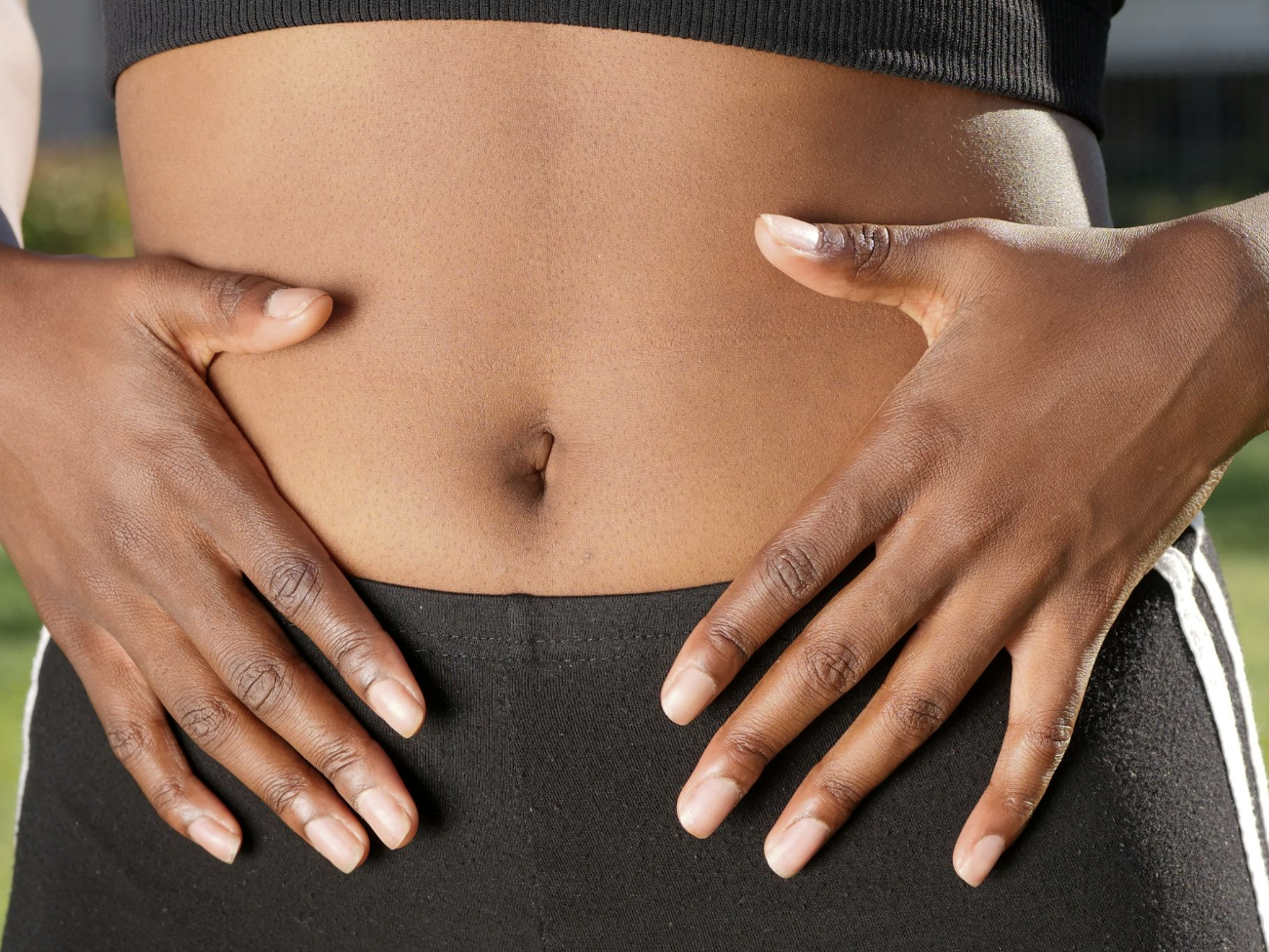
✔ Solution: Increase fiber gradually, drink plenty of water, and consider probiotics to support digestion.
3. Low-Carb or Too Little Calories
Cutting out too many carbs or not eating enough calories can make you feel:
🌀 Dizzy or weak
🌀 Lightheaded
🌀 Mentally foggy
Why? Your body needs glucose from carbohydrates for energy. If you’re not eating enough, it can lead to low blood sugar and fatigue.

✔ Solution: Instead of cutting carbs completely, choose complex carbs like quinoa, oats, and sweet potatoes.
4. Food Sensitivities & Allergies
Sometimes, people introduce new healthy foods they haven’t eaten before, such as:
🥑 Nuts & seeds
🥛 Dairy alternatives
🌾 Whole grains
Why? You might have an undetected food sensitivity (like gluten, dairy, or nuts) that can cause bloating, skin reactions, or fatigue.

✔ Solution: Pay attention to how your body reacts to new foods and eliminate anything that consistently makes you feel bad.
5. Changes in Gut Bacteria
Your gut microbiome adjusts based on what you eat. If you suddenly increase fermented foods (like yogurt, kimchi, or sauerkraut) or switch to a more plant-based diet, your gut bacteria need time to rebalance.
Possible symptoms:
😣 Digestive discomfort
😣 Temporary bloating
✔ Solution: Introduce probiotic-rich foods slowly and drink plenty of water to support digestion.
How to Feel Better While Eating Healthy
If you’re experiencing side effects from eating clean, don’t worry—your body is adjusting! Here’s how to ease the transition:
✅ Make gradual changes – Don’t overhaul your diet overnight. Slowly add more whole foods and phase out processed ones.
✅ Stay hydrated – Water helps flush toxins and supports digestion. Aim for at least 2 liters a day.
✅ Balance your meals – Include protein, healthy fats, and fiber in every meal to avoid energy crashes.
✅ Listen to your body – If a certain food doesn’t feel right, adjust accordingly.
✅ Get enough calories – Don’t under-eat! Fuel your body properly with nutrient-dense foods.

Final Thoughts
Yes, you can feel sick when transitioning to a healthier diet, but it’s usually temporary. Your body is resetting, detoxing, and adjusting to better fuel. The key is to be patient, stay hydrated, and make gradual changes to avoid overwhelming your system.
Remember: Feeling good should always be the goal. If symptoms persist, check in with a nutritionist or doctor to rule out any underlying issues.
Have you ever felt off while eating healthy? Let me know in the comments! 💬🍏



 Well & Good
Leave a comment