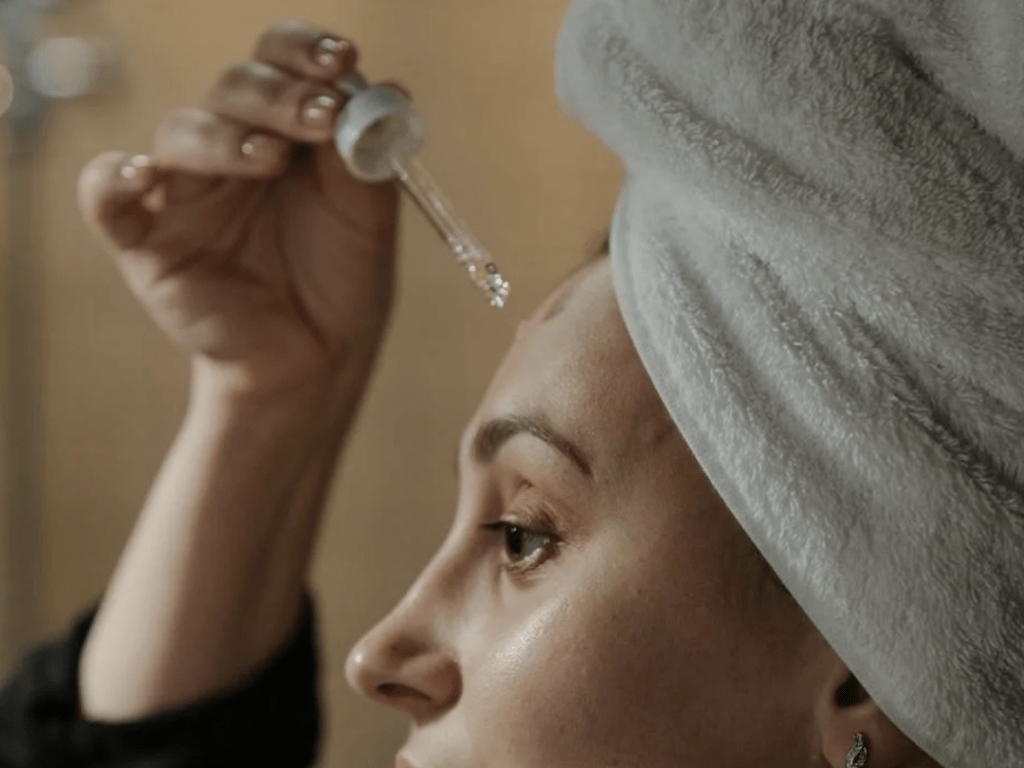
Hyaluronic acid (HA) is one of the most popular skincare ingredients for hydration and plump, glowing skin. But can it also help fade dark spots and brighten your complexion? If you’re dealing with hyperpigmentation, acne scars, or uneven skin tone, you might be wondering whether HA is the right solution.

Let’s dive into the truth about hyaluronic acid and dark spots, how it works, and the best ways to incorporate it into your skincare routine.
🌿 What Is Hyaluronic Acid?
Hyaluronic acid is a naturally occurring molecule found in our skin that helps retain moisture and keep the skin hydrated, plump, and youthful. It can hold up to 1,000 times its weight in water, making it a powerful hydrating ingredient in skincare.
✔ Boosts skin hydration
✔ Reduces fine lines & wrinkles
✔ Strengthens the skin barrier
But when it comes to dark spots and hyperpigmentation, does it actually work?

🌟 Can Hyaluronic Acid Fade Dark Spots?
Hyaluronic acid does not directly lighten dark spots, but it plays a crucial supporting role in skin brightening. Here’s how:
✅ Speeds Up Skin Repair – Hydrated skin heals faster, reducing the time it takes for dark spots to fade.
✅ Improves Skin Barrier Function – Strengthens the skin, making it more resilient against future pigmentation.
✅ Enhances Other Brightening Ingredients – Helps vitamin C, niacinamide, and retinol absorb better, making them more effective in fading dark spots.
💡 Conclusion: Hyaluronic acid alone won’t fade dark spots, but it helps your skin heal, stay hydrated, and enhance the effects of brightening ingredients.

🔬 Best Ingredients to Pair with Hyaluronic Acid for Dark Spots
To effectively fade hyperpigmentation, use HA with these proven skin-brightening ingredients:
🔹 Vitamin C – A powerful antioxidant that reduces melanin production and brightens skin.
🔹 Niacinamide (Vitamin B3) – Helps reduce pigmentation, control oil, and strengthen the skin barrier.
🔹 Retinol – Promotes cell turnover, which speeds up the fading of dark spots.
🔹 Alpha Arbutin – A gentle skin-brightening agent that targets hyperpigmentation.
🔹 Exfoliating Acids (AHAs/BHAs) – Glycolic and lactic acids remove dead skin cells, allowing dark spots to fade faster.
How to Use: Apply hyaluronic acid first, then follow with vitamin C, niacinamide, or retinol to maximize their effectiveness.
💦 How to Use Hyaluronic Acid for Brighter Skin
To get the best results, follow these steps:
1️⃣ Cleanse Your Face – Start with a gentle cleanser to remove dirt and oil.
2️⃣ Apply a Brightening Serum – Use Vitamin C, Niacinamide, or Alpha Arbutin for skin brightening.
3️⃣ Use Hyaluronic Acid – Apply it on damp skin to lock in hydration.
4️⃣ Seal with Moisturizer – A good moisturizer keeps hydration locked in.
5️⃣ Always Wear Sunscreen – UV rays worsen dark spots! Use SPF 30+ daily to prevent further pigmentation.
🚫 Mistakes to Avoid When Using Hyaluronic Acid
❌ Skipping Sunscreen – Sun exposure makes dark spots worse, so SPF is a must!
❌ Applying on Dry Skin – HA needs moisture to work; apply it on damp skin for best results.
❌ Using Too Many Actives at Once – Overloading your skin can cause irritation and worsen pigmentation.
🌟 Final Verdict: Can Hyaluronic Acid Help with Dark Spots?
Hyaluronic acid alone won’t erase dark spots, but it plays a key role in hydrating the skin, speeding up healing, and enhancing the effects of brightening ingredients. To effectively fade hyperpigmentation, combine HA with Vitamin C, niacinamide, or retinol, and don’t forget to wear sunscreen daily!
Want glowing, even-toned skin? Hydration + Brightening Ingredients + Sunscreen = Best Results!
Do you use hyaluronic acid in your routine? Let me know in the comments! 😊✨







 Well & Good
Leave a comment