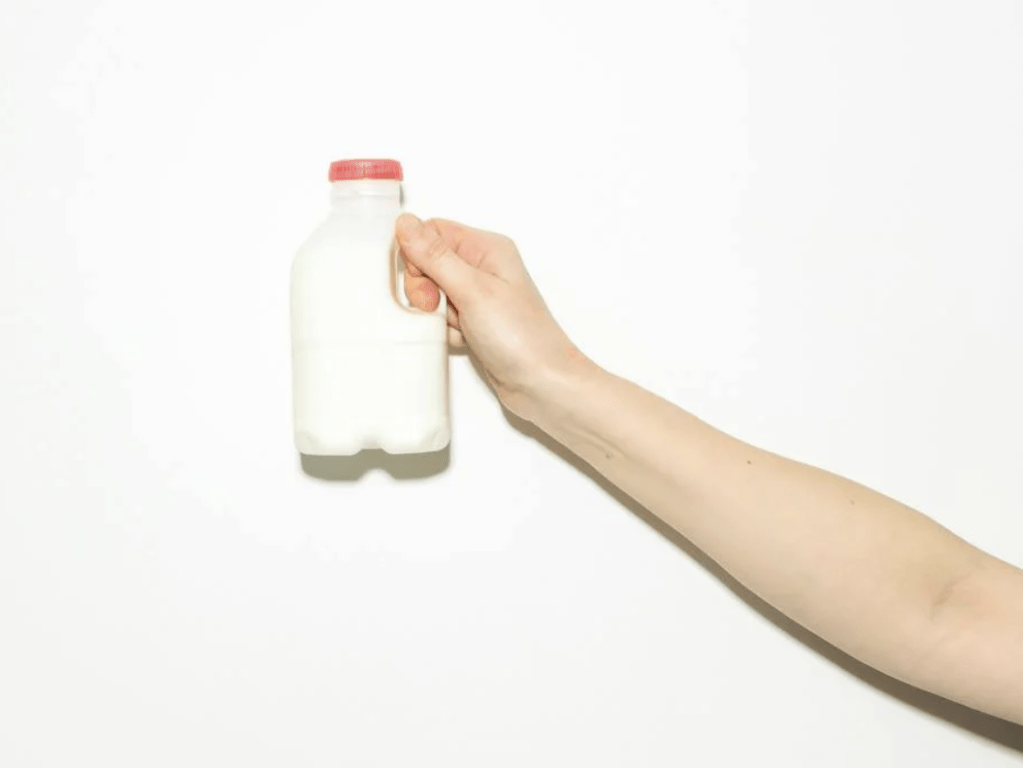
If you experience acid reflux or heartburn, you might be wondering whether milk is a good or bad choice. Some people swear by it as a quick relief for heartburn, while others find that it makes their symptoms worse.

So, which type of milk is best for acid reflux? And which ones should you avoid? Let’s break it down.
🥛 Does Milk Help or Worsen Acid Reflux?
Milk can provide temporary relief by coating the esophagus, but in many cases, it triggers more acid production, leading to worsened symptoms later. The key factor? The fat content and how your body processes lactose.
✔ Low-fat and plant-based milks are easier on digestion and may help prevent reflux.
❌ High-fat dairy and flavored milks can relax the lower esophageal sphincter (LES), allowing acid to escape back into the esophagus.
Let’s explore the best and worst milk options for acid reflux sufferers.
✅ Best Milk Choices for Acid Reflux
These milks are low in fat, non-acidic, and gentle on digestion, making them a better option for reflux sufferers.

1. Almond Milk 🌰
✅ Why it’s good:
- Naturally alkaline, which may help neutralize stomach acid.
- Low-fat and dairy-free, making it easier to digest.
2. Oat Milk 🌾
✅ Why it’s good:
- High in fiber, which supports digestion and gut health.
- Dairy-free and less likely to trigger acid reflux.
3. Low-Fat or Skim Milk 🥛
✅ Why it’s good:
- Contains less fat than whole milk, reducing acid production.
- Provides calcium, which can help neutralize stomach acid.
4. Lactose-Free Milk 🥛
✅ Why it’s good:
- If you have lactose intolerance, this option prevents bloating and indigestion.
- Low-fat versions are better than whole milk.
5. Coconut Milk (Unsweetened) 🥥
✅ Why it’s good:
Low in acidity and easy on digestion.
Contains healthy fats that don’t trigger reflux like dairy fats.
🚫 Worst Milk Choices for Acid Reflux
These types of milk can increase stomach acid production and worsen acid reflux symptoms.

1. Whole Milk 🥛
❌ Why it’s bad:
- High in fat, which can relax the lower esophageal sphincter (LES), allowing acid to escape.
- Triggers more acid production, worsening heartburn.
2. Chocolate Milk 🍫
❌ Why it’s bad:
- Contains caffeine and sugar, both of which are known acid reflux triggers.
- High-fat content worsens symptoms.
3. Flavored or Sweetened Milk 🍓
❌ Why it’s bad:
- Added sugars increase acid production, leading to more reflux.
- Artificial flavors can irritate the digestive system.
4. Full-Fat Dairy (Cream, Heavy Milk) 🧀
❌ Why it’s bad:
Can trigger bloating and discomfort in those sensitive to dairy.
Takes longer to digest, putting pressure on the stomach.
🥗 Extra Tips for Drinking Milk with Acid Reflux
✔ Choose low-fat or dairy-free options – They are easier on digestion.
✔ Drink in moderation – Even good milk choices should be consumed in small amounts.
✔ Avoid drinking milk right before bed – This can increase reflux symptoms overnight.
✔ Pair milk with non-acidic foods – If drinking milk, avoid pairing it with acidic foods like citrus or tomatoes.
📝 Final Verdict: Which Milk Is Best for Acid Reflux?
If you suffer from acid reflux, almond milk, oat milk, and low-fat dairy options are your best choices. Avoid whole milk, chocolate milk, and high-fat dairy, as they can worsen symptoms.
The key is to listen to your body and choose milk that soothes your stomach rather than triggering reflux.
What’s your go-to milk choice for acid reflux? Let me know in the comments! 😊







 Well & Good
Leave a comment