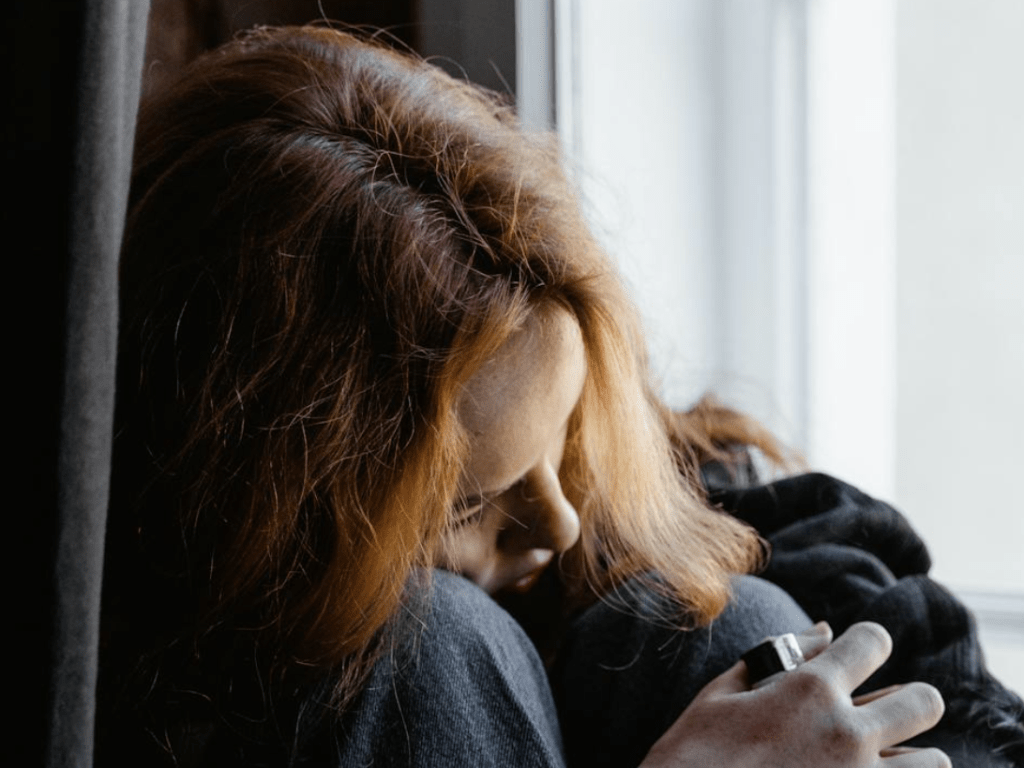
Feeling on edge before a big event? Heart racing before an important conversation? It’s normal to feel nervous or anxious at times, but how do you know if what you’re experiencing is everyday nervousness or clinical anxiety?

Understanding the difference between nervousness and anxiety can help you manage your emotions better and develop effective coping strategies. Let’s break it down.
🧐 Nervousness vs. Anxiety: What’s the Difference?
😬 Nervousness: A Temporary Response to Stress
✔ Triggered by a specific situation (e.g., a test, job interview, or first date).
✔ Mild and temporary, disappearing once the event is over.
✔ Can cause physical symptoms like a racing heart, sweating, or shaky hands.
✔ Often comes with excitement and anticipation rather than fear.
💡 Example: Feeling jittery before speaking in public but calming down afterward.

😨 Anxiety: Persistent and Overwhelming
✔ Can occur without a clear trigger—not just before a specific event.
✔ More intense and long-lasting than nervousness.
✔ Interferes with daily life, relationships, and overall well-being.
✔ May cause physical symptoms like dizziness, nausea, insomnia, or shortness of breath.
✔ Often comes with catastrophic thinking (e.g., “What if everything goes wrong?”).
💡 Example: Worrying about social situations for weeks, avoiding them entirely due to fear of judgment.
🛑 When Does Nervousness Become Anxiety?
Nervousness becomes anxiety when:
✔ It doesn’t go away after the stressful event is over.
✔ It’s disproportionate to the actual situation.
✔ It causes significant distress or avoidance of activities.
✔ It affects your ability to function at work, school, or socially.
💡 If you constantly feel on edge, struggle with excessive worry, or avoid situations due to fear, it may be time to seek professional support.

🧘♂️ How to Cope with Nervousness & Anxiety Effectively
1️⃣ Use Deep Breathing to Calm Your Body
✔ Try 4-7-8 breathing (inhale for 4 seconds, hold for 7, exhale for 8).
✔ Focus on slow, deep belly breaths to lower heart rate and reduce tension.
✔ Repeat until your body starts to relax.
💡 Why it works: Deep breathing activates the parasympathetic nervous system, signaling your brain to calm down.
2️⃣ Practice Grounding Techniques
✔ Use the 5-4-3-2-1 method: Identify 5 things you see, 4 things you touch, 3 things you hear, 2 things you smell, 1 thing you taste.
✔ Hold an ice cube or splash cold water on your face to reset your nervous system.
✔ Clench and release your fists to bring awareness back to the present moment.
💡 Why it works: Grounding shifts your focus away from anxious thoughts and into the present moment.
3️⃣ Try Meditation or Gentle Movement
✔ Meditation helps slow racing thoughts and increase self-awareness.
✔ Stretching, yoga, or light exercise releases stress and tension.
✔ Walking outdoors can provide a natural mood boost.
👉 Meditation You Can Try:
1️⃣ Mindful Breathing – Focus only on your breath for a few minutes.
2️⃣ Body Scan Meditation – Bring awareness to different parts of your body.
3️⃣ Guided Relaxation – Listen to a meditation app or video.
💡 Why it works: Movement and mindfulness help reduce stress hormones and increase relaxation.
4️⃣ Reframe Negative Thoughts
✔ Challenge catastrophic thinking—ask yourself, “Is this thought 100% true?”
✔ Focus on facts, not feelings—remind yourself that nervousness is temporary.
✔ Replace “What if something goes wrong?” with “What if things go well?”
💡 Why it works: Thought patterns influence emotions—changing your thoughts can reduce anxiety.
5️⃣ Limit Stimulants & Get Enough Sleep
✔ Reduce caffeine and sugar, which can trigger jitters and nervousness.
✔ Prioritize 7-9 hours of quality sleep to regulate mood and stress levels.
✔ Avoid screens before bed—blue light disrupts melatonin production.
💡 Why it works: A well-rested body handles stress better than an exhausted one.
6️⃣ Seek Support When Needed
✔ Talk to a trusted friend, therapist, or counselor about your feelings.
✔ If anxiety is affecting your daily life, relationships, or work, consider professional help.
✔ Cognitive Behavioral Therapy (CBT) is highly effective in managing anxiety.
💡 Why it works: You don’t have to deal with anxiety alone—help is available.
🌟 Final Thoughts: Learning to Manage Nervousness & Anxiety
✔ Nervousness is temporary and event-based, while anxiety is persistent and overwhelming.
✔ Mindfulness, meditation, deep breathing, and grounding techniques can help reduce stress.
✔ Challenge negative thoughts and focus on facts rather than fears.
✔ If anxiety affects daily life, don’t hesitate to seek professional support.
👉 Need help relaxing? Try my guided meditation video for instant calm!
💡 How do you manage nervousness or anxiety? Share your go-to coping strategies in the comments! 😊✨





 Well & Good
Leave a comment