
Meditation has been practiced for thousands of years, but modern science is now uncovering why it works and how it benefits the brain and body. Many people associate meditation with spirituality, but it’s also a powerful tool for mental clarity, emotional balance, and physical health.
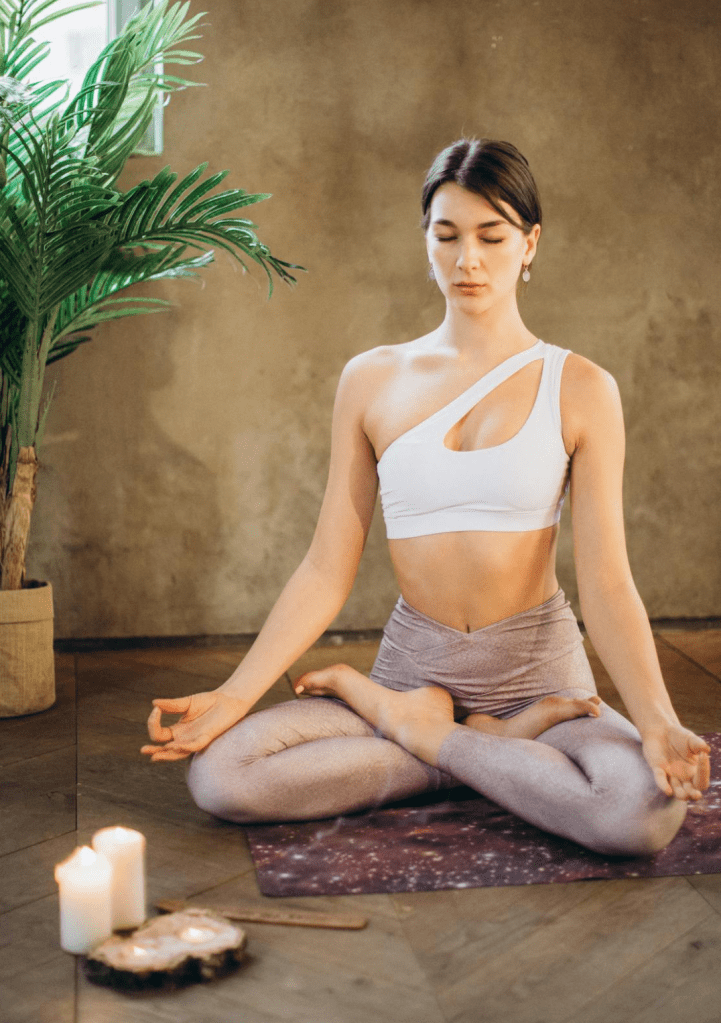
So, what is the true purpose of meditation? And what does science say about its effectiveness? Let’s dive in.
🧘♀️ What Is Meditation?
Meditation is the practice of focusing your mind, training awareness, and achieving a state of mental clarity and relaxation. It’s not about emptying your mind but rather observing thoughts without judgment.
There are many types of meditation, including:
✔ Mindfulness Meditation – Observing thoughts and sensations without reacting.
✔ Focused Attention Meditation – Concentrating on a single point (like breath, sound, or a mantra).
✔ Loving-Kindness Meditation – Cultivating feelings of compassion and gratitude.
✔ Body Scan Meditation – Bringing awareness to different areas of the body.
✔ Guided Visualization – Using mental imagery to reduce stress and improve focus.
💡 The goal? To become more present, self-aware, and emotionally balanced.
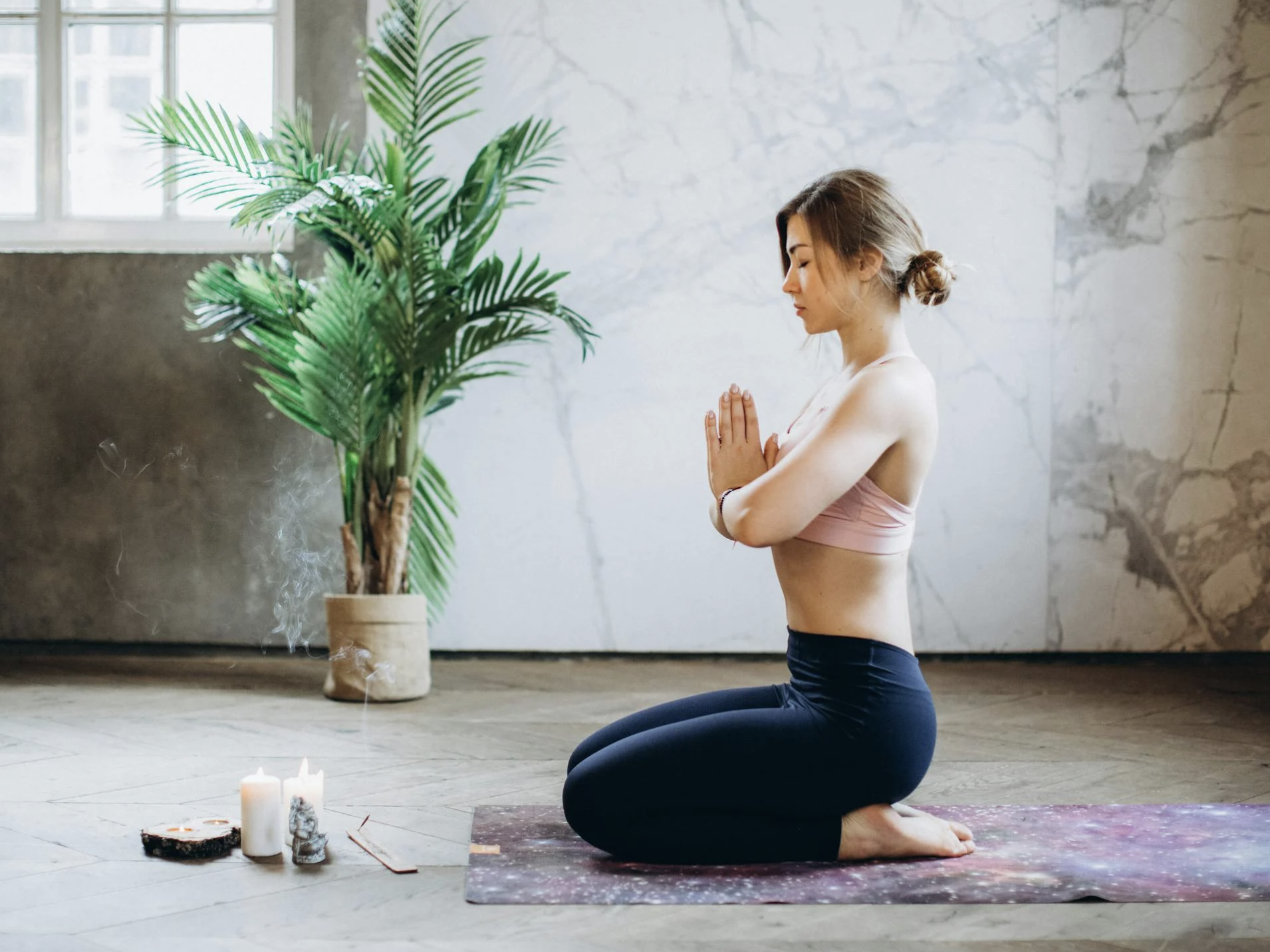
🧠 The Science: How Meditation Affects the Brain
Studies using MRI scans show that meditation physically changes the brain, strengthening areas related to focus, memory, and emotional regulation.
🔬 1. Meditation Strengthens the Prefrontal Cortex (Better Focus & Decision-Making)
✔ The prefrontal cortex controls decision-making, self-awareness, and attention.
✔ Meditation thickens this area, improving concentration and problem-solving skills.
✔ Regular practice enhances mental clarity and reduces distractions.
💡 Key takeaway: Meditation makes your brain stronger and more focused.
😌 2. Meditation Lowers Stress by Reducing Cortisol
✔ Chronic stress increases cortisol, the hormone linked to anxiety and high blood pressure.
✔ Meditation lowers cortisol levels, reducing stress, tension, and irritability.
✔ Even 5-10 minutes of meditation can bring immediate relaxation.
💡 Key takeaway: Meditation is a natural stress reliever—no medication required
😊 3. Meditation Improves Emotional Regulation & Happiness
✔ It shrinks the amygdala, the part of the brain responsible for fear and anxiety.
✔ Increases serotonin and dopamine, neurotransmitters linked to happiness.
✔ Lowers symptoms of depression and anxiety, making you more emotionally stable.
💡 Key takeaway: Meditation rewires your brain for happiness and emotional resilience.
🛌 4. Meditation Improves Sleep Quality
✔ Helps slow racing thoughts, making it easier to fall asleep.
✔ Triggers the relaxation response, reducing insomnia.
✔ Increases melatonin production, a hormone essential for deep sleep.
💡 Key takeaway: If you struggle with sleep, try a guided meditation before bed.
🩺 5. Meditation Boosts Physical Health
✔ Lowers blood pressure, reducing heart disease risk.
✔ Enhances the immune system, helping you fight off illness.
✔ Reduces inflammation, which is linked to chronic diseases.
💡 Key takeaway: Meditation isn’t just for the mind—it improves overall health.
🌿 The Purpose of Meditation: Why Should You Meditate?
People meditate for different reasons, but the core purpose remains the same:
✔ To reduce stress and anxiety
✔ To improve focus and mental clarity
✔ To increase emotional balance and happiness
✔ To enhance self-awareness and mindfulness
✔ To promote relaxation and better sleep
💡 Meditation is about training your mind, just like exercise trains your body.
🧘♂️ Simple Meditation Practices to Get Started
If you’re new to meditation, start with just 5-10 minutes a day. Here are some easy methods:
1️⃣ 5-Minute Mindfulness Meditation
✔ Sit comfortably and close your eyes.
✔ Focus on your breath—inhale and exhale naturally.
✔ If your mind wanders, gently bring it back to your breath.
👉 Best for: Beginners who want a quick way to relax.
2️⃣ Body Scan Meditation (10 Minutes)
✔ Lie down or sit in a comfortable position.
✔ Bring awareness to each part of your body, from head to toe.
✔ Notice tension and release it with each exhale.
👉 Best for: Stress relief and relaxation.
3️⃣ Guided Meditation (Use an App or Video)
✔ Follow a guided session on gratitude, self-love, or relaxation.
✔ Apps like Calm, Insight Timer, or Headspace can help.
✔ Listen to soothing music or nature sounds.
👉 Best for: Those who need structure or struggle with focus.
🌟 Final Thoughts: Make Meditation a Daily Habit
✔ Meditation is scientifically proven to improve mental, emotional, and physical health.
✔ It rewires your brain for less stress, better focus, and more happiness.
✔ You don’t need hours—just 5-10 minutes a day can make a difference.
👉 Want to start meditating? Try my guided meditation video for a simple and relaxing session!
💡 What benefits have you noticed from meditation? Let me know in the comments! 😊✨







 Well & Good
Leave a comment