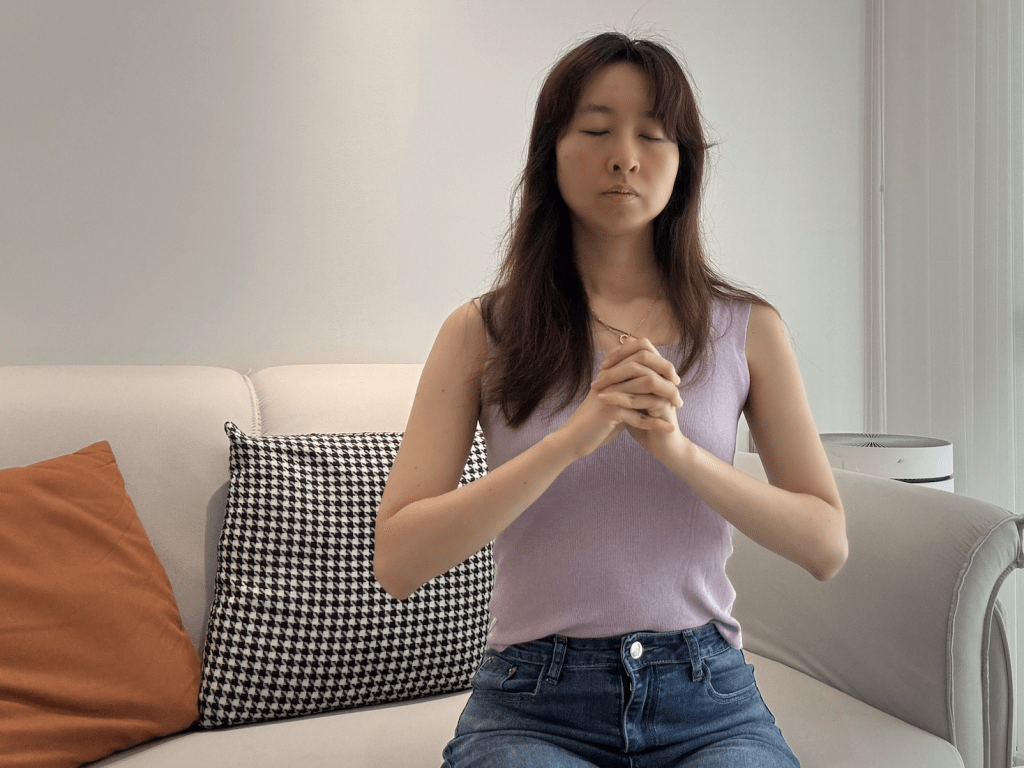
Have you ever felt anger rise in your body like a wave — your chest tightening, jaw clenching, breath shortening — but you didn’t know how to release it?
You’re not alone. Anger is one of the most misunderstood emotions. Many of us suppress it, while others let it explode. But both responses can hurt our health, relationships, and emotional well-being. The truth is: the way we release anger matters.
That’s why I created a new video to guide you through a gentle, science-backed emotional reset. You can use it whenever you feel emotionally charged, overwhelmed, or stuck in reactive patterns.
🌿 What You’ll Find in the Video
In this guided session, you’ll learn how to regulate anger and other intense emotions using three powerful techniques:
✔️ Progressive Muscle Relaxation
A method used in therapy to help the body release physical tension, grounding you in the present moment.
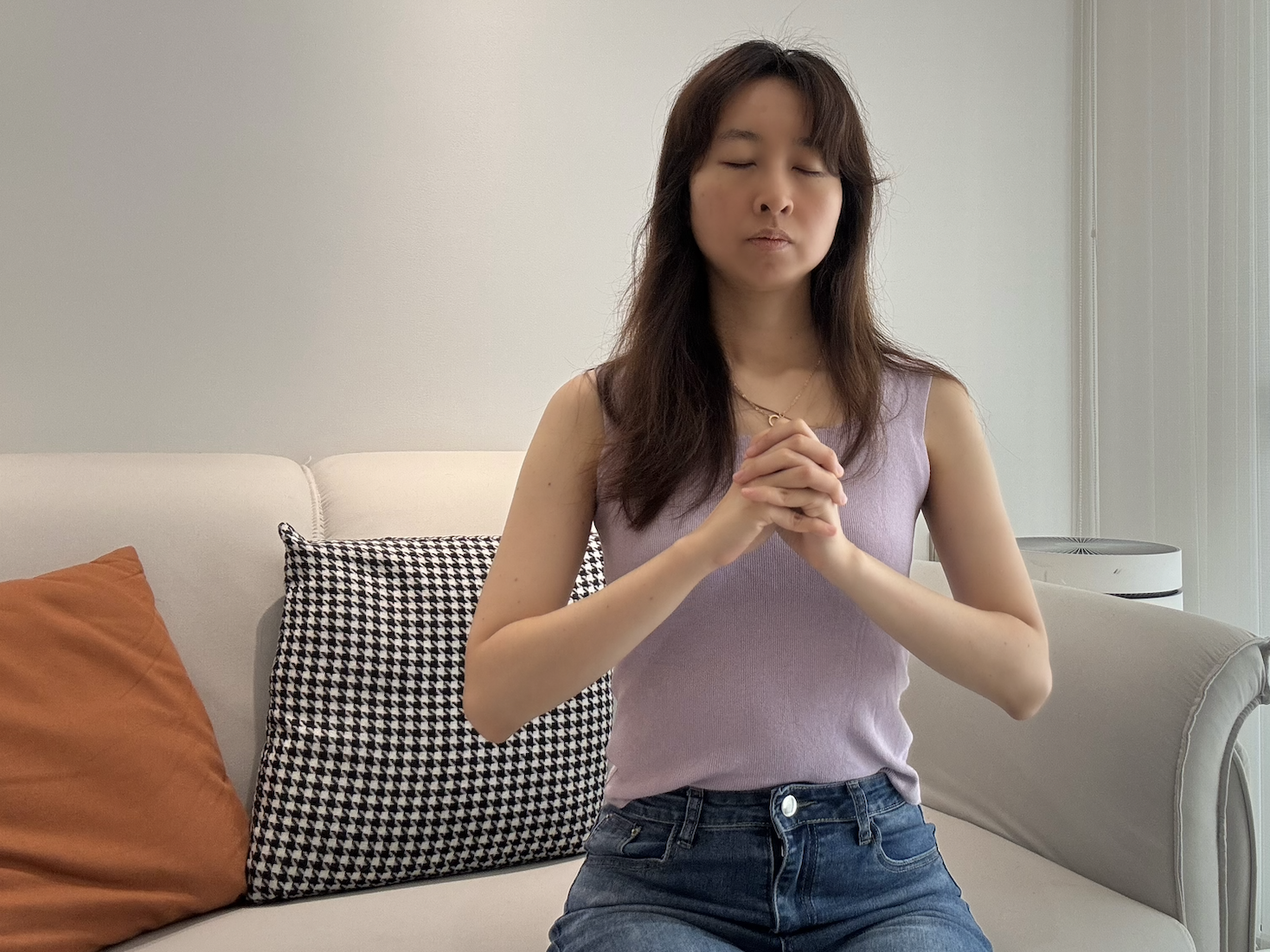
✔️ Breathwork for Emotional Regulation
You’ll activate your parasympathetic nervous system (the “rest and digest” state), slowing your heart rate and helping your body feel safe.
✔️ Mindful Awareness & Cognitive Reframing

This section helps you notice your emotional triggers with curiosity, not judgment. Instead of reacting impulsively, you’ll learn how to respond with clarity.
🧘♀️ 03:23 – Progressive Muscle Relaxation (PMR)
What It Is:
Progressive Muscle Relaxation (PMR) is a technique that involves systematically tensing and relaxing different muscle groups in the body. You start from the feet and move upward (or vice versa), paying close attention to the sensation of release after each muscle group is relaxed.
Why It Works:
When we’re angry, our body responds as if we’re under physical threat — our muscles tense up, preparing for “fight or flight.” PMR gives the body a way to safely release that built-up tension. The act of consciously tensing and then releasing each group helps discharge stress stored in the body and sends calming signals to the brain.
Scientific Support:
A foundational study by Conrad & Roth (2007) found that PMR significantly reduced symptoms of anxiety and anger, especially in individuals experiencing high physiological arousal. Participants showed lower heart rates and improved emotion regulation after practicing PMR regularly.
In This Video:
I guide you through a quick PMR practice focused on the jaw, shoulders, and hands — common areas that hold tension during anger. The goal is to bring awareness back to your body, ground you in the present, and initiate the release process gently.
🌬️ 03:35 – Breathwork for Emotional Regulation
What It Is:
This section uses a simple breathing pattern: inhale through the nose for 4 counts, exhale through the mouth for 6–8 counts. It activates your parasympathetic nervous system, which calms the body and slows down emotional reactivity.
Why It Works:
Anger and anxiety both trigger the sympathetic nervous system — responsible for the “fight or flight” response. Breathwork acts like a switch that helps move the body from this hyper-aroused state into a rest-and-digest mode, reducing cortisol and adrenaline.
Scientific Support:
In a study by Arch & Craske (2006), individuals who engaged in breath-based mindfulness practices showed improved emotional regulation and reduced physiological responses to distressing situations. The researchers emphasized that mindful breathing helped participants stay present rather than becoming overwhelmed by emotion.
In This Video:
You’ll learn how to use your breath as a tool — not to suppress your emotions, but to give your nervous system space to pause. As you exhale longer than you inhale, you’ll likely notice your body begins to soften, your thoughts slow down, and your emotional charge lessens.
🧠 06:18 – Mindful Awareness & Cognitive Reframing
What It Is:
This practice combines mindfulness (being aware of your experience without judgment) with cognitive reframing — the act of gently shifting the way you interpret or think about a situation. Together, they help you respond instead of react.
Why It Works:
When we’re angry, our thinking narrows. We often fall into black-and-white thinking (“they always do this” or “this is so unfair”). Mindfulness interrupts this cycle by helping us observe thoughts as passing events, not facts. Cognitive reframing then invites us to explore new interpretations, such as:
🌀 “Maybe they were acting out of fear, not malice.”
🌀 “What can I learn from this about what I value?”
Scientific Support:
A study by Roemer et al. (2009) found that mindfulness-based emotion regulation practices led to reduced emotional reactivity and greater resilience in the face of triggering thoughts. Participants learned to hold space for difficult emotions while gradually shifting their perspectives.
In This Video:
I guide you through a short visualization where you identify your emotional trigger, pause, and explore alternate viewpoints with compassion. This isn’t about denying your feelings — it’s about expanding your options for how to act in response to them.
🧠 Final Thought: Why These 3 Practices Work Together
Each of these tools plays a unique role:
- PMR calms the body.
- Breathwork soothes the nervous system.
- Mindful awareness helps regulate the mind.
Together, they form a holistic emotional reset — calming physical tension, regulating your stress response, and opening space for thoughtful reflection.
If you’ve ever felt trapped in a cycle of reactive anger, practicing these together can help you feel more in control, more connected, and more compassionate — toward yourself and others.
💡 Why This Works
These techniques are not just feel-good fluff. They’re rooted in psychological research. Studies have shown that mindfulness, muscle relaxation, and breath awareness are effective in reducing emotional distress, including anger and anxiety.
📚 Research-backed tools from:
- Conrad & Roth (2007)
- Arch & Craske (2006)
- Roemer et al. (2009)
Therapists use these exact methods to help clients regain control over their emotional state — and now, so can you.
🎥 Watch Now:
Whether you’re facing daily stress, relationship frustration, or past emotional wounds, this video can help you come back to yourself — calmly and compassionately.
✨ Save & Return Anytime
Bookmark this post or save the video. Emotional regulation isn’t a one-time fix — it’s a practice. And the more you practice, the easier it becomes.
📌 Stay Connected
💪 Want more mind-body practices to support your emotional well-being?
🔔 Subscribe on YouTube: @HHHFitBear
🌐 Visit: www.hhhfitbear.com
📲 Follow on Instagram: @HHHFitBear
📌 Pin on Pinterest: Save this video for later!
💬 A Gentle Reminder:
This video offers supportive tools, not a replacement for therapy. If you’re feeling overwhelmed or unable to cope, please don’t hesitate to reach out to a licensed mental health professional. You are not alone, and you deserve help and healing.





 Well & Good
Leave a comment